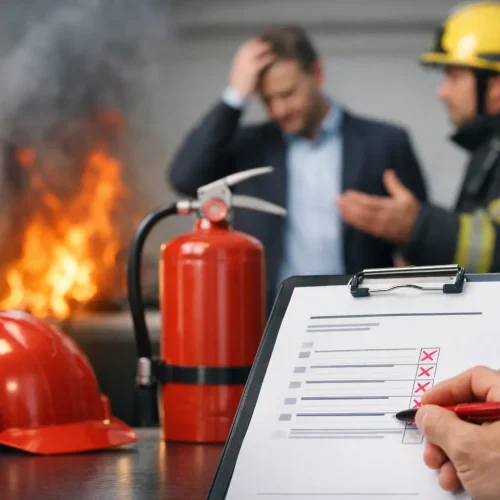
A failed fire risk assessment is not a paperwork issue. It is a warning that people in your building may be exposed to preventable danger, and that you as the duty holder may already be on borrowed time.
If you are asking what happens if a fire risk assessment fails, the short answer is this: the problems identified do not go away on their own, and neither does your responsibility. Depending on what is found, you could be dealing with urgent remedial works, enforcement action, insurance complications, reputational damage, or in the worst cases, a serious incident that should never have been allowed to develop.
What a failed fire risk assessment actually means
A fire risk assessment does not usually come back with a neat pass or fail stamp in the way people expect. In practice, failure means the assessment has identified shortcomings serious enough to show that your fire precautions, management arrangements, or physical fire protection measures are not adequate for the building and the people using it.
That could mean blocked escape routes, missing compartmentation, defective fire doors, poor alarm coverage, inadequate emergency lighting, or a lack of staff training and evacuation planning. Sometimes the issue is one major defect. More often, it is a pattern of smaller failings that together create unacceptable risk.
For landlords, building managers, school leaders, care providers and housing teams, that distinction matters. You are not just being told something is imperfect. You are being told the current standard may not stand up to scrutiny from a fire authority, an insurer, a resident, or a court.
What happens immediately after a fire risk assessment fails
The first consequence is that you are put on notice. Once defects have been identified, it becomes much harder to argue that you were unaware of the risk.
If the assessor has found serious hazards, they may recommend immediate action. That can include restricting use of part of the building, increasing interim controls such as waking watch or staff checks, or prioritising emergency remedial works. In higher-risk settings such as care homes, schools, hospitals and occupied residential blocks, delays are especially dangerous because evacuation may be slower and the people at risk may be more vulnerable.
A failed assessment also creates an operational problem. Planned lettings, inspections, handovers, refurbishments or occupancy changes can be disrupted while defects are investigated and corrected. If your building needs to demonstrate compliance to a client, regulator, board or insurer, a failed assessment can stall decisions very quickly.
Legal consequences if a fire risk assessment fails
Under the Regulatory Reform (Fire Safety) Order 2005, the responsible person must take general fire precautions and keep risk under review. A failed assessment is a clear sign that those precautions may be insufficient.
That does not mean every failed assessment leads straight to prosecution. It does mean enforcement risk increases sharply if defects are ignored, repeated, or severe. Fire and rescue authorities can inspect premises and, where necessary, issue formal notices. These can require improvements within a set timescale, restrict use of part or all of a building, or in the most serious cases prohibit occupation until risks are controlled.
The legal pressure becomes more serious where there is evidence of poor management, missed maintenance, undocumented defects, or no meaningful action after the assessment. For duty holders, the real danger is often not the initial finding but the gap between being told and actually putting it right.
What happens if a fire risk assessment fails and you do nothing
This is where the risk moves from manageable to dangerous.
If a fire risk assessment fails and no action follows, you are effectively leaving known defects in place. That can expose occupants to smoke spread, delayed escape, failed containment, or non-functioning protective systems when they are needed most. If a fire occurs, the question will not be whether the risks were hidden. It will be why they were left unresolved.
Doing nothing can also increase the likelihood of enforcement notices, prosecution, fines and business interruption. In some sectors, it may affect commissioning, tenancy confidence, governance reviews and safeguarding obligations. A care home, academy trust or housing provider cannot treat known fire safety failures as a lower-priority maintenance item and expect that decision to stand up later.
There is also a human reality behind all of this. Buildings do not fail assessments by accident. They fail because barriers to fire spread have been compromised, escape arrangements are weak, or management controls are not good enough. Those are the same conditions that make real incidents more severe.
Common reasons assessments fail
In our experience, failure rarely comes down to one dramatic fault alone. More often, it is hidden non-compliance that has built up over time.
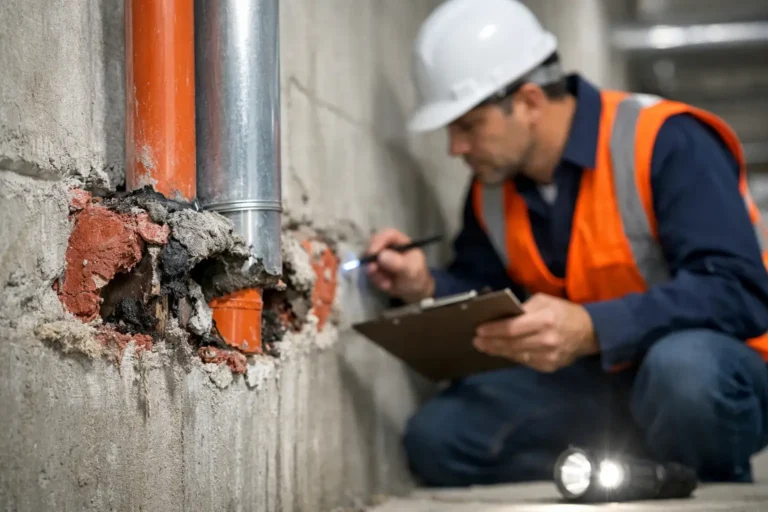
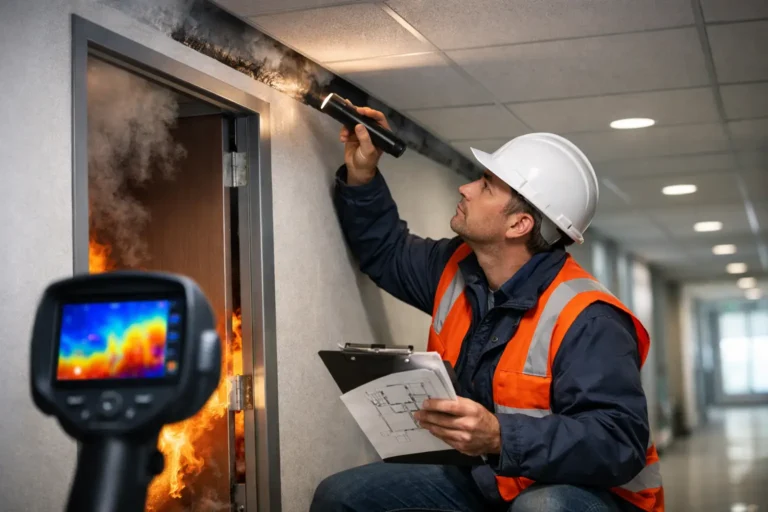
Fire doors are a frequent problem. Doors may be damaged, poorly fitted, missing seals, wedged open, or altered in ways that remove their fire-resisting performance. Compartmentation failures are just as serious. Unsealed service penetrations, poor fire stopping, and gaps above ceilings or within risers can allow smoke and flame to travel far beyond the room of origin.
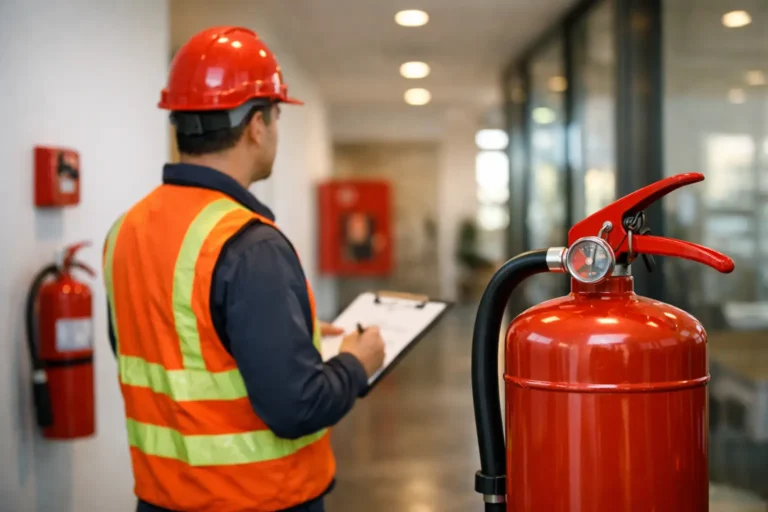
Management issues also matter. Out-of-date records, poor maintenance regimes, absent evacuation plans, missing weekly checks, and inadequate staff training can all push an assessment into unacceptable territory. Even where the physical building is mostly sound, weak day-to-day control can still amount to failure.
The insurance and reputational impact
A failed fire risk assessment can raise questions with insurers, especially if defects are significant or remain unresolved. Insurers want to see that fire risk is being managed actively, not reactively. If there is a claim after known issues have been left outstanding, the scrutiny will be intense.
The reputational damage can be just as painful. Residents, parents, staff, governors, trustees and procurement teams expect basic fire safety competence. If confidence drops, it can affect retention, occupancy, internal reporting relationships and public trust. For organisations already operating under pressure, that loss of confidence can spread faster than the original defect list.
How to respond properly after failure
The right response is fast, documented and proportionate. First, review the findings carefully and separate urgent life-safety issues from longer-term improvements. Not every defect carries the same level of risk, and treatment should match the severity and occupancy of the building.
Next, create a corrective action plan with owners, deadlines and evidence requirements. If the assessment highlights fire doors, stopping works, alarms, emergency lighting or compartmentation, those items should be checked and remedied by competent specialists rather than folded into a general maintenance queue.
This is where many duty holders lose time. They have a report, but not a delivery plan. A strong compliance partner closes that gap by surveying the issue properly, carrying out the remedial work, and documenting what has been done so you are not left defending vague intentions.
Why remedial work matters more than the report
The report is only the starting point. Compliance is judged by the condition of the building and the quality of your management arrangements, not by the fact you commissioned an assessment.
A poor response often looks like this: the assessment identifies defects, quotes are delayed, responsibilities are unclear, and months pass while the same risks remain in place. A good response is different. The defects are prioritised quickly, temporary controls are considered where needed, remedial works are organised, and records are updated so there is a clear line from finding to fix.
That practical follow-through is what reduces legal exposure and protects people. It is also what gives you a far better chance of satisfying future inspections first time.
Can you still use the building?
It depends on the severity of the findings.
Some failed assessments identify shortcomings that can be corrected while the building remains occupied, provided suitable interim controls are in place. Others uncover risks serious enough to justify restricting part of the premises, changing how spaces are used, or in extreme cases stopping occupation until critical issues are resolved.
That judgement should not be based on convenience. It should be based on the nature of the occupancy, the vulnerability of the people inside, and the specific fire protection failures involved. A school, care setting or multi-occupied residential building may need a much more cautious response than a lightly occupied office with a limited defect scope.
Getting back to compliance quickly and properly
If your assessment has failed, speed matters, but so does competence. Rushed cosmetic fixes can create false confidence and lead to the same defects appearing again at the next inspection.
The safer route is a clear, end-to-end process: identify the real causes, verify the extent of the problem, complete the remedial work to the right standard, and keep records that show exactly what was done. That is how specialist providers such as FireBlocked365 help duty holders regain control when compliance has slipped.
A failed fire risk assessment is serious, but it is still a point where you can take decisive action before a regulator, insurer or fire does it for you. The best next step is not panic. It is getting the right defects fixed, quickly, and making sure your building is genuinely safe rather than simply hoping it will be.