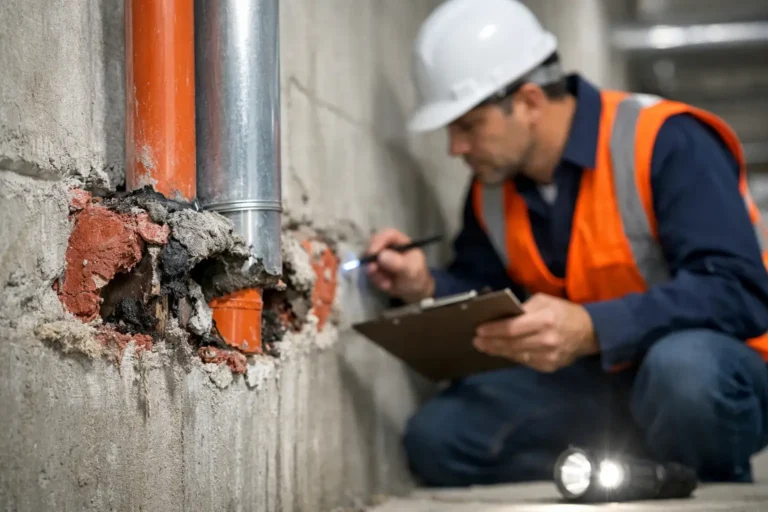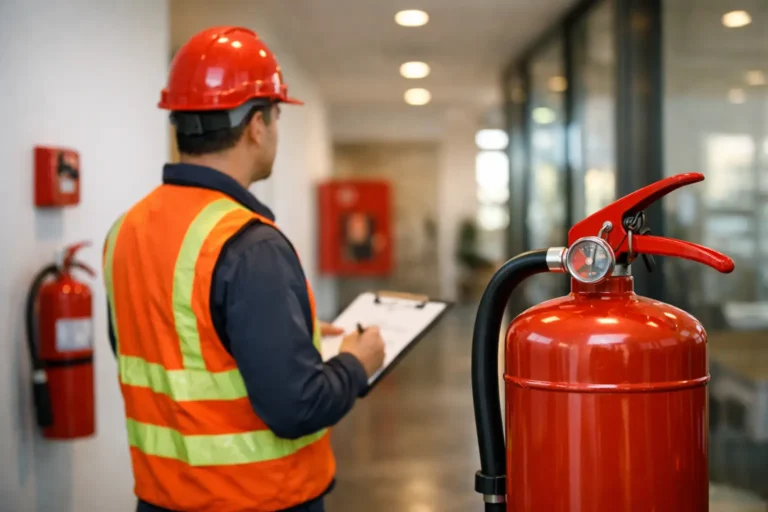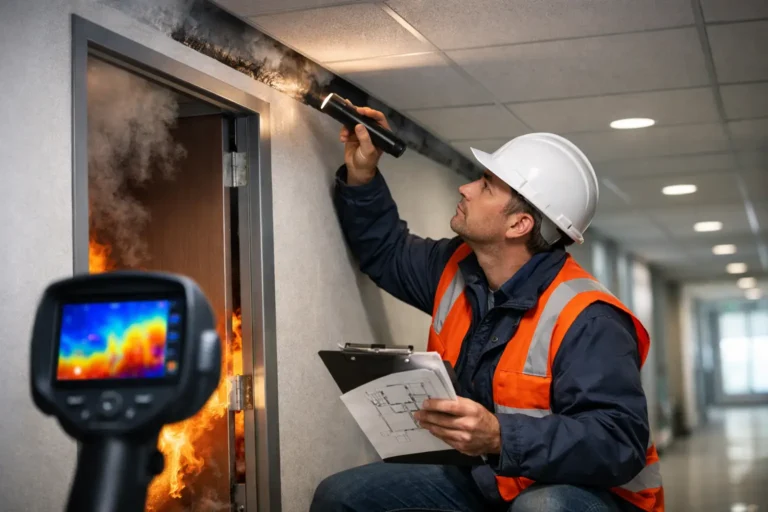
A tenant reports a damaged fire door. A contractor has sealed around a pipe run without suitable fire stopping. The communal alarm panel has a fault nobody has escalated. These are the types of failures landlord compliance surveys are designed to expose before an inspection, an incident or a claim exposes them for you.
For landlords and professional property managers, compliance cannot be treated as a folder of expired certificates and last-minute checks. You are responsible for providing safe premises, protecting occupants and demonstrating that you have managed foreseeable risks. A properly planned survey gives you evidence, priorities and a clear route to corrective action.
What landlord compliance surveys should cover
The term can mean different things depending on the property. A single-let house presents different risks from a block of flats, a converted building, an HMO or a mixed-use premises. The right survey programme should reflect the building, its use, the people inside it and the systems that keep them safe.
At its core, the process should identify legal duties, physical defects, missing records and weak management controls. It should not simply produce a pass or fail label. A useful survey tells you what is wrong, why it matters, who is responsible and what needs to happen next.
For fire safety, this commonly includes a review of the fire risk assessment and whether it is current, suitable and acted upon. It also looks at fire doors, protected escape routes, emergency lighting, alarms, signage, compartmentation and fire stopping around service penetrations. In higher-risk or multi-occupied buildings, these details are not cosmetic. A failure in one area can allow smoke and fire to spread, compromise escape routes and put residents at immediate risk.
Landlords may also need evidence relating to gas safety, electrical installation condition reports, asbestos management where relevant, water hygiene, smoke and carbon monoxide alarms, and housing health and safety standards. The exact duty depends on the tenancy, building type and location. Trying to apply one generic checklist to every property is how gaps get missed.
The fire safety gaps that create the biggest exposure
Some defects are obvious: a fire door that will not close, a missing extinguisher or a blocked corridor. Others sit above ceilings, inside risers or around cable routes, unnoticed until a specialist inspection takes place.
Fire doors that do not perform as fire doors
A fire door is a life-saving barrier only if the door, frame, seals, closer, hinges and gaps work together. A wedged-open door, missing intumescent strips, faulty self-closer or unsuitable glazing can mean the door fails when it is needed most.
Communal entrance doors, flat entrance doors and doors protecting stairwells or corridors deserve close attention. In many properties, residents and maintenance teams see these doors every day without recognising that a small alteration or damaged component can undermine the entire fire strategy.
Hidden breaches in compartmentation
Compartment walls and floors are designed to contain fire for a set period. Once electricians, plumbers, data installers or general contractors pass services through them, those openings must be sealed with appropriate tested fire-stopping systems.
Expanding foam, loose mortar or an untreated gap around pipes is not a dependable solution. These issues are especially common in older buildings and premises that have undergone repeated refurbishment. They are also easy to overlook without intrusive, competent inspection.
Paperwork that does not match reality
A certificate is valuable only when it relates to the building as it exists now. If layouts have changed, occupancy has increased, doors have been replaced or services have been added since the last assessment, historic paperwork may no longer provide the protection you assume it does.
Compliance surveys should compare site conditions with records, previous actions and maintenance arrangements. Where actions remain open, they should be visible, assigned and followed through. A long list of unresolved recommendations is not a compliance system. It is evidence that risk has been identified but not controlled.
Why a survey alone is not enough
A survey identifies exposure. It does not remove it. This distinction matters when you are accountable to residents, insurers, enforcing authorities, directors or trustees.
The weakest approach is to commission an inspection, receive a technical report and leave it in an inbox because the remedial work feels complicated or disruptive. The strongest approach is to move directly from findings to a prioritised plan, competent repairs and documented sign-off.
Urgent defects should be made safe immediately. A compromised escape route, a defective fire door protecting a stairwell or significant missing fire stopping may require interim measures while permanent work is arranged. Other issues can be programmed, but they still need ownership and deadlines.
This is where an end-to-end provider makes a practical difference. FireBlocked365 can assess the condition of key fire safety measures, explain the risk in plain language, carry out remedial work and provide the certification trail needed for scrutiny. That reduces handovers, delays and the familiar problem of one contractor identifying defects while another disputes responsibility for fixing them.
How to make compliance surveys manageable
The goal is not to make landlords into fire safety specialists. It is to create a controlled process that makes risk visible and action unavoidable.
Start by building an accurate property and document register. Record each building, its use, number of occupants, responsible person, current certificates, fire risk assessment dates, inspection records and outstanding actions. For larger portfolios, this gives you a single view of where risk is concentrated rather than forcing you to chase individual files when a problem arises.
Next, schedule surveys according to risk rather than convenience. High-occupancy blocks, care settings, HMOs, older converted premises and buildings with complex layouts may require more frequent attention than a straightforward, low-risk property. Changes in use, significant works, a fire incident or repeated defects should trigger review sooner. Compliance is not a once-a-year event if the building is changing around you.
Then ensure the survey brief is specific. Ask what will be inspected, which areas are inaccessible, how defects will be recorded, whether photographs will be supplied and what standard the findings are assessed against. Vague scopes produce vague results. A detailed brief protects you from paying for a report that fails to answer the questions an inspector or insurer will later ask.
Finally, keep a live action tracker. Each finding needs a risk level, responsible person, target date, status and proof of completion. For fire safety defects, retain before-and-after evidence, specifications for remedial products where relevant and completion certification. If challenged, you need to show not just that you knew about a risk, but that you acted proportionately and promptly.
Common mistakes that leave landlords exposed
The first mistake is treating every observation as equal. Not every defect carries the same consequence, but serious issues must never be buried beneath minor housekeeping points. Clear prioritisation prevents decision-makers from delaying critical work because a report feels overwhelming.
The second is relying on general maintenance teams for specialist fire safety repairs. A capable handyman may be able to refit a loose handle, but fire doors and fire stopping require competent assessment, suitable materials and correct installation. An apparently neat repair can still fail to provide the required fire resistance.
The third is assuming responsibility passes to a managing agent, tenant or contractor. Duties can be shared, and contracts may allocate practical tasks, but landlords and duty holders must be clear about who is doing what. Confusion is not a defence after an incident.
The fourth is focusing only on penalties. Fines, enforcement action, prosecution, void periods and insurance complications are serious commercial consequences. But the central issue is simpler: people rely on the building to give them time to escape. Surveys exist to find the failures that could take that time away.
A survey should leave you in control
A good landlord compliance survey does more than highlight risk. It gives you a defensible picture of the property, a realistic plan for improvement and evidence that safety is being actively managed.
Do not wait for a resident complaint, an insurer query or an enforcement visit to discover whether your fire precautions work. Arrange competent inspection, deal with serious defects at pace and keep clear records of every action taken. That is how a difficult obligation becomes a controlled responsibility, and how you protect the people who live and work in your buildings.